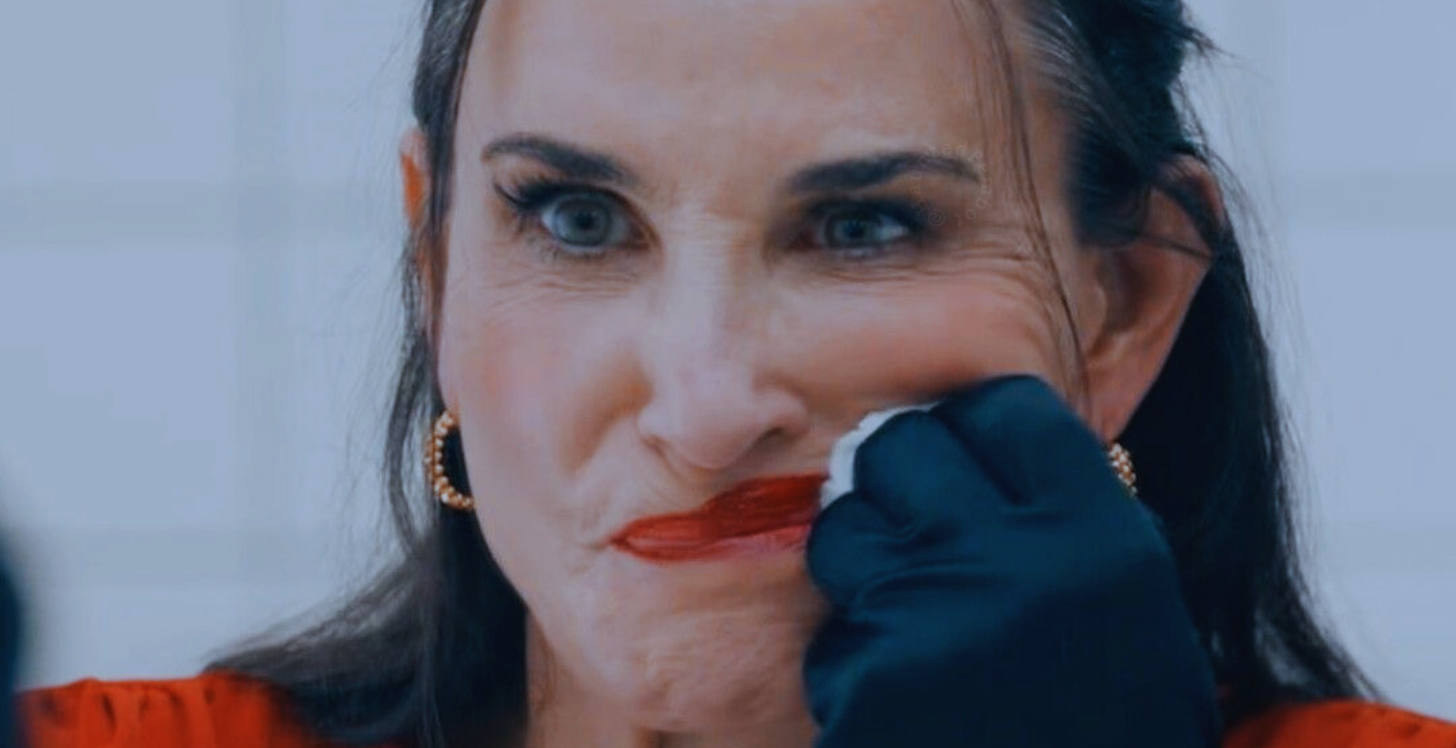
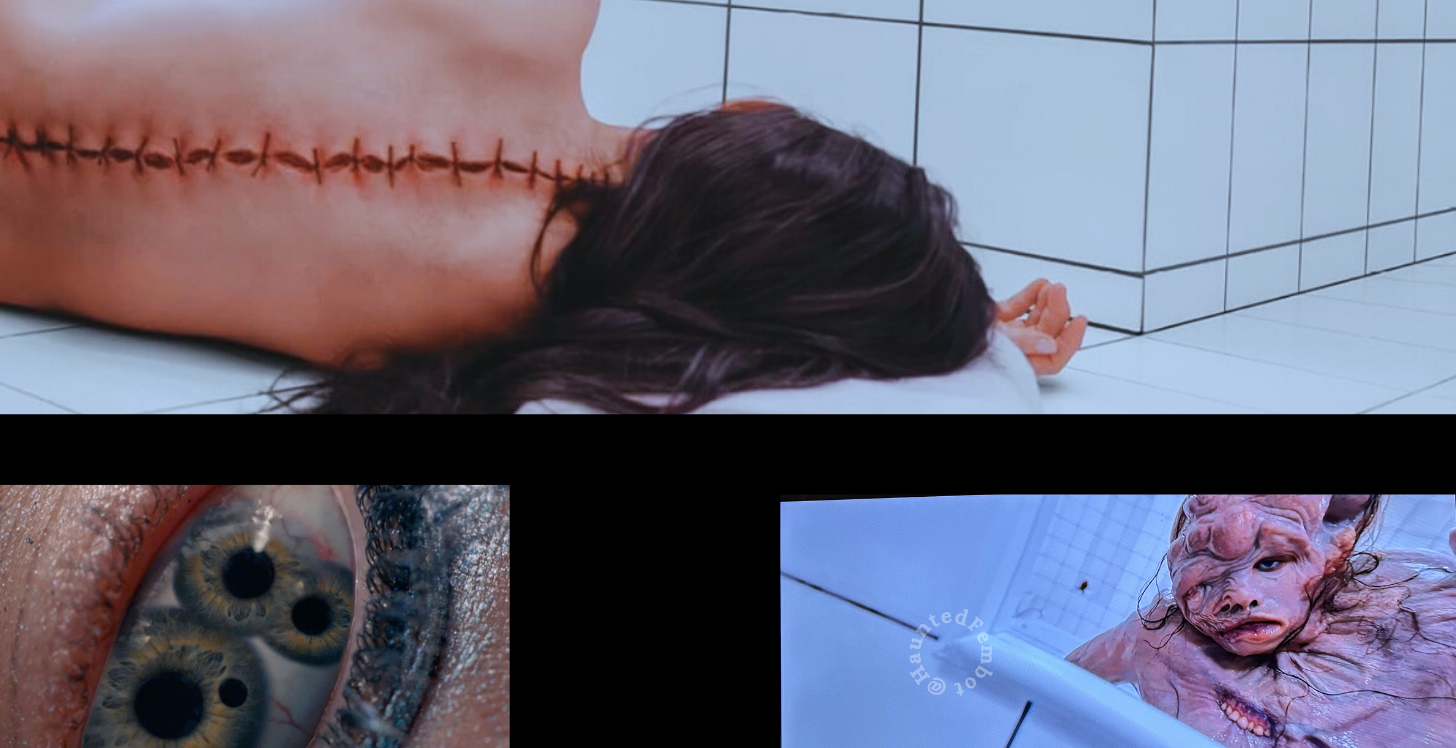
If you haven’t heard, The Substance (2024) is a revelatory film, intimately connecting us with the silent and self-inflicted savagery behind a femininity sculpted to appear pristine; devoid of flaws, pain, or madness. Coralie Fargeat doesn’t give us no-bush, no-blood femininity. She gives us a broken toe in a ballet slipper. Molars removed to accentuate the cheekbones. Silicone buried under muscle. And poison injected between the eyes.
The plot follows Elisabeth Sparkle (Demi Moore), a Jane Fonda–esque aerobics instructor who is fired for committing the crime of turning 50, discarded by an industry that equates desirability with youth and treats aging as failure. In a desperate attempt to regain relevance, she turns to a black-market treatment known only as “the substance,” which promises to transform her into a younger, hotter version of herself, one who can re-enter Hollywood on acceptable terms.
Enter Sue (Margaret Qualley), Elisabeth’s newly generated other self: vibrant, elastic, entitled, hyper-visible. The catch is strict and clinical: the two must alternate existence on a rigid schedule, sharing one body across time. One lives while the other disappears. Balance, says the mysterious purveyor of this toxic-waste-coded serum, is survival. But balance cannot hold.
Through Elisabeth’s experience, we enter a Hell where fame is love, and love is death and we understand it because we live there too. To be a woman is to deal internally with the grotesque, the messy, the unspoken violence of making oneself desirable. It is to see the body as meat: trimmed, chopped, and pounded for the consumption of others. Ain’t nothing demure about it.
So many moments of self-loathing are experienced alone. They are decidedly forgotten, pushed into the dark.
Fargeat’s film says, “No. You must look. You must know yourself.”
I found myself saying, “I guess that’s self-hatred too,” again and again as the film peeled back layer after layer of woman’s artifice, revealing the compulsions we normalize and the quiet negotiations we make with our own bodies.
Campy, over-the-top, and told in the language of dreams, The Substance feeds us an important message with a spoonful of “oh my gawd, what am I even watching?! Did that face vagina just birth a titty?!” — it will change you.
Spring isn’t about balance. It’s about becoming—shedding what’s dead and stepping into something new, whether that means soft-launching a new aesthetic or torching your entire past life and walking away in slow motion.
In storytelling, the rebirth arc isn’t always gentle. Some women transform because they choose to, others because the world forces them to. Some come back wiser, others meaner—all of them more powerful than before.
If you’re entering your villain era, rebirth phase, or chaotic self-reinvention, consider these femmes your seasonal guides.
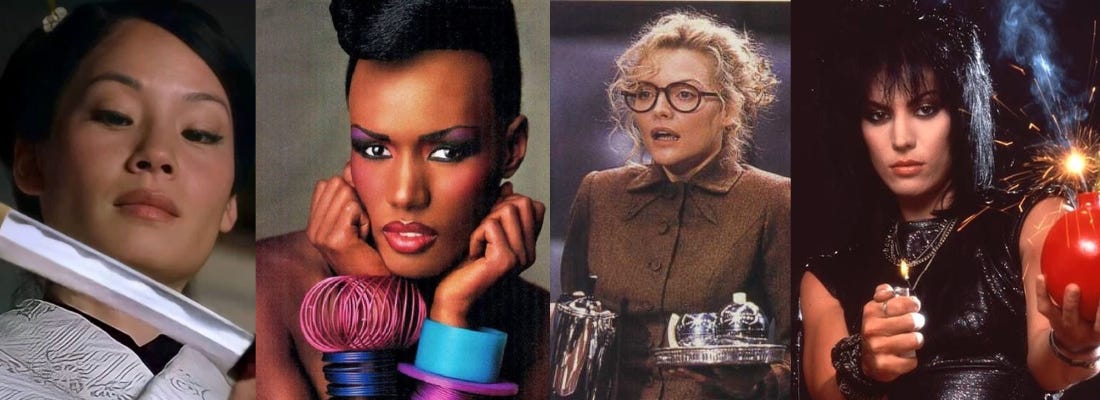
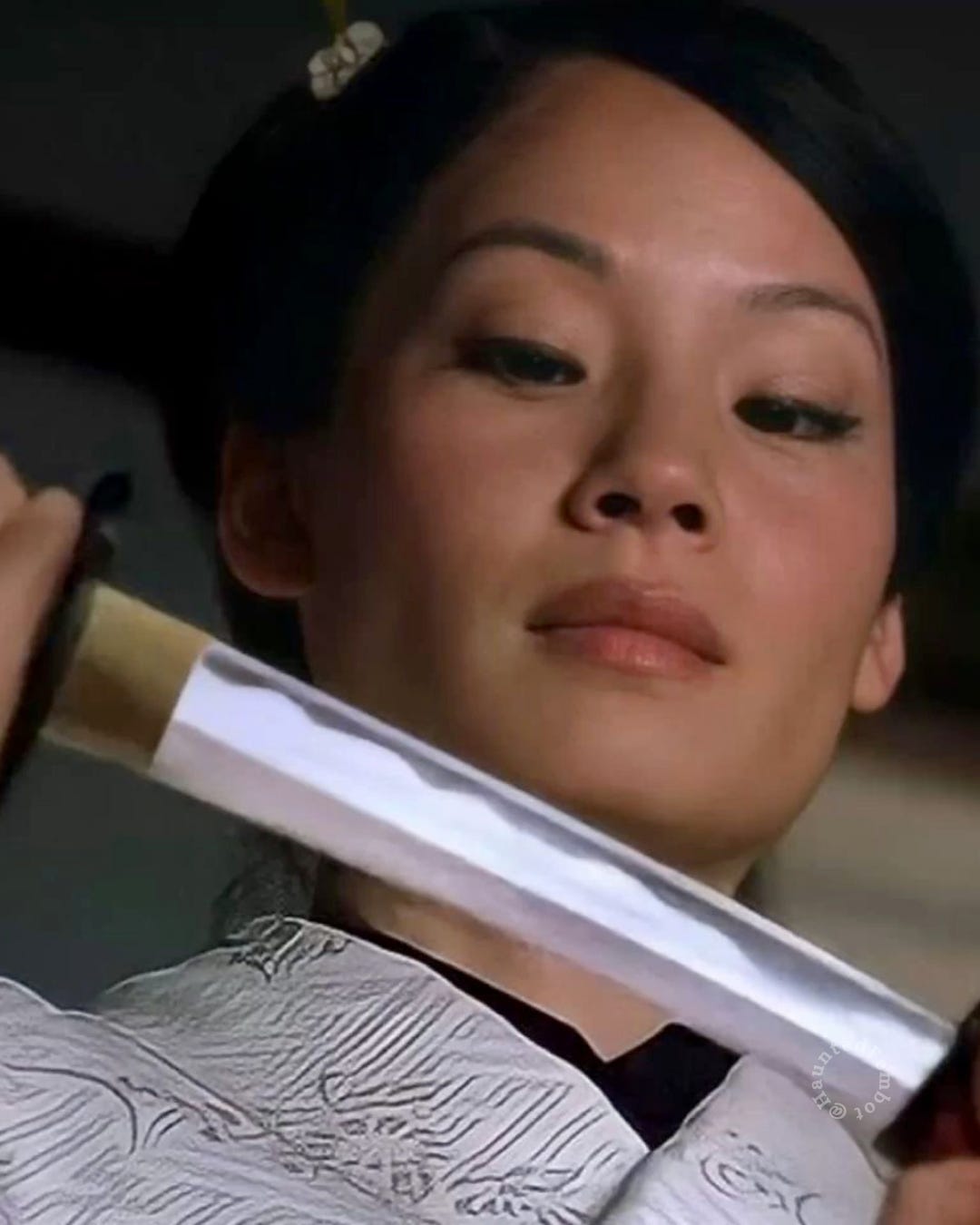
1. O-Ren Ishii – The Blood-Stained Ascension
Diplomacy is nice, but so is a freshly sharpened katana.
O-Ren Ishii was born into vengeance. She watched her parents die, clawed her way through the underworld, and by the time she was twenty, she was running Tokyo’s criminal empire in a bloodstained white kimono. Power wasn’t given to her—she took it, blade-first, and left nothing but silence in her wake.
Other Blood-Stained Ascensions:Lady Snowblood, Nomi Malone (Showgirls), Gillian Darmody (Boardwalk Empire)
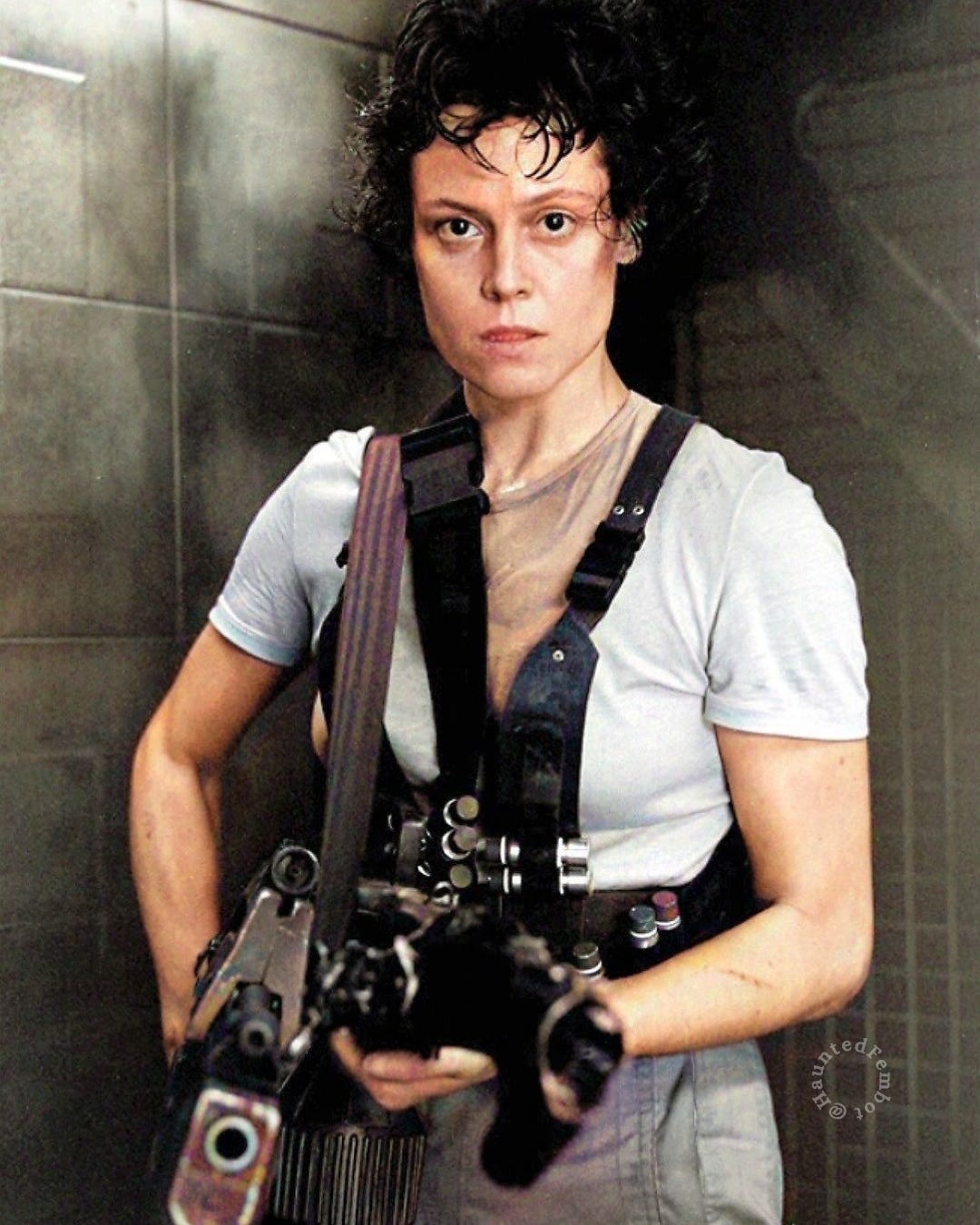
2. Ellen Ripley – The Final Girl
She didn’t just survive—she wiped the floor with an apex predator.
Ripley wasn’t the strongest, the toughest, or the most obvious hero. But when her crew got turned into alien hors d’oeuvres, she did what any reasonable woman would: locked, loaded, and torched the bastard. In the end, the only thing left was smoke, acid burns, and a deep distrust of corporate employers.
Other Final Girls:Sarah Connor (T2), Sidney Prescott (Scream), Laurie Strode (Halloween)
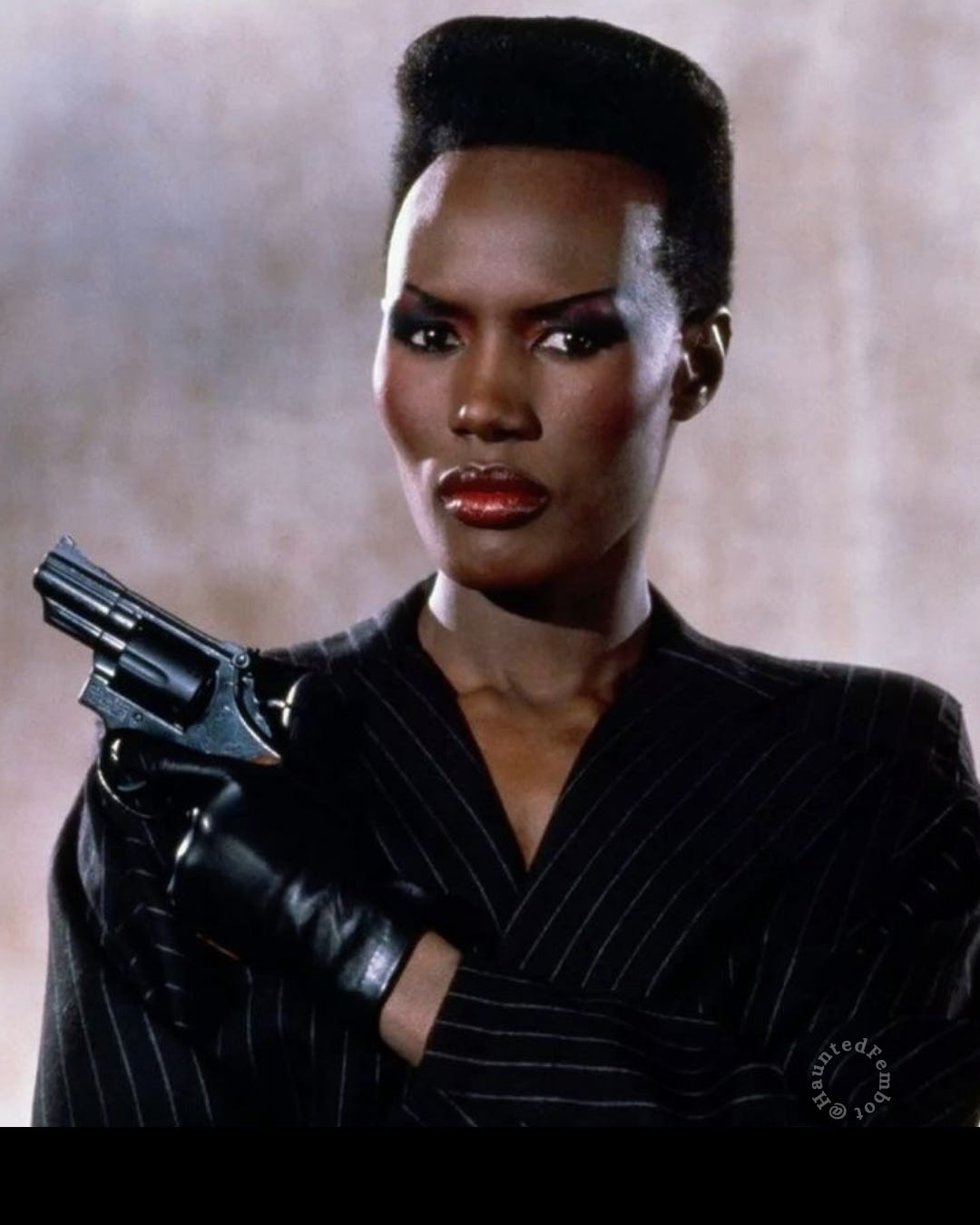
3. Grace Jones – The Spectacle Manifest
She didn’t adapt. She made the world adapt to her.
Before she was a walking myth, Grace Jones was a preacher’s daughter from Jamaica, raised with strict religious discipline. By the time she was done reinventing herself, she was an androgynous alien, a nightlife demigod, a dominatrix in couture.Why push boundaries when you can erase them altogether?
Other Spectacles Manifest: Prince, David Bowie, Little Richard
4. Kristen Stewart – The Phoenix Evolution
They tried to pigeonhole her. She came back as something mythic.
Kristen Stewart wasn’t supposed to rise from Twilight’s ashes. The industry treated her like a one-note teen idol, the media obsessed over her personal life, and audiences expected her to fade into YA oblivion. Instead, she torched the mainstream blueprint, embraced her queerness, and emerged from the flames as an arthouse menace, Cannes darling, and the reigning prince of indie lesbian cinema.
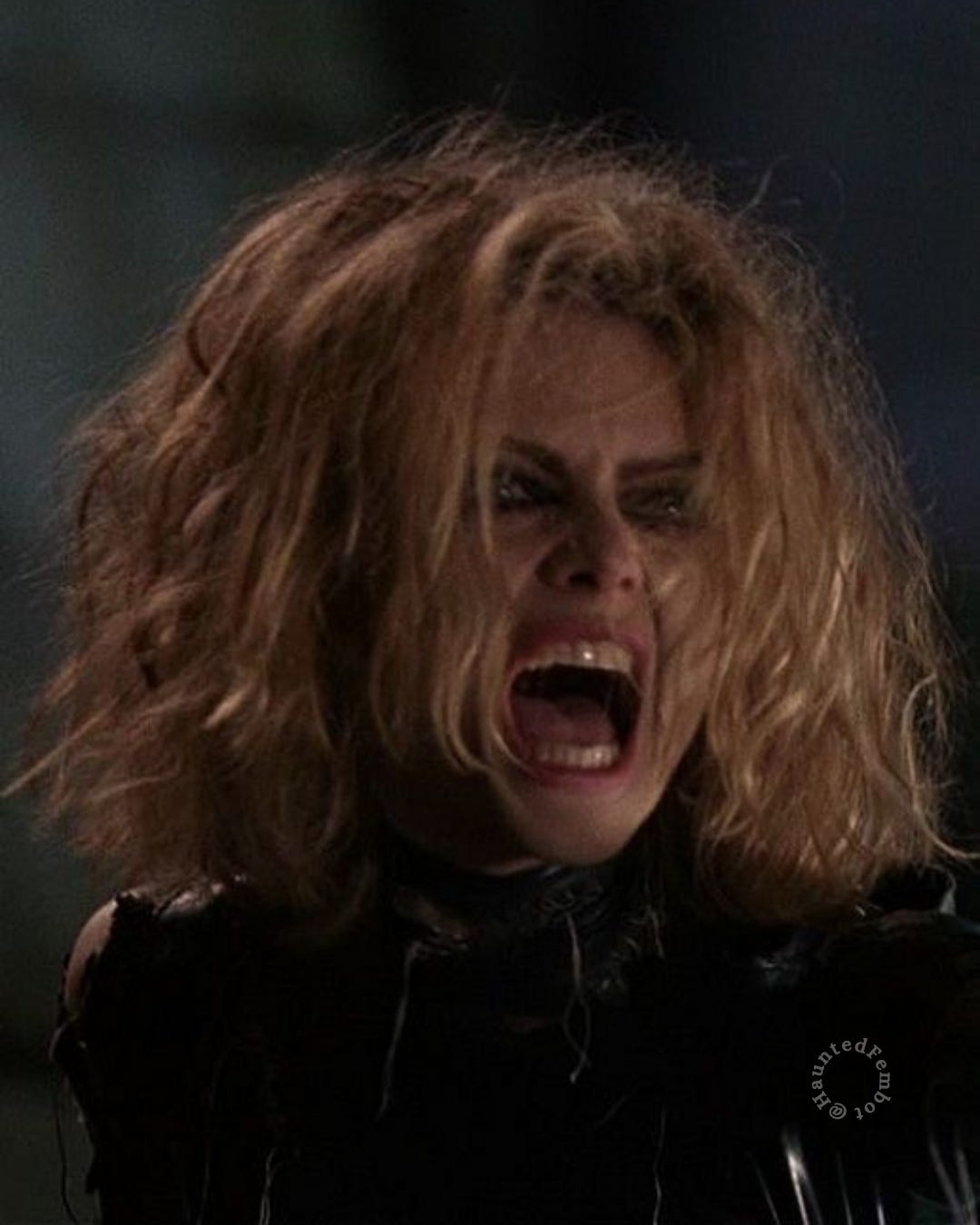
Selina Kyle starts as a doormat. She ends as Catwoman, resurrecting herself with a whip, red lipstick, and a black leather bodysuit that screams ‘homicidal delinquent chic.’ A lesson in taking back power, one stitch at a time.
Other Payback Glow-Ups: Elle Woods (Legally Blonde), Andy Sachs (The Devil Wears Prada), Taylor Swift (The Reputation Era)
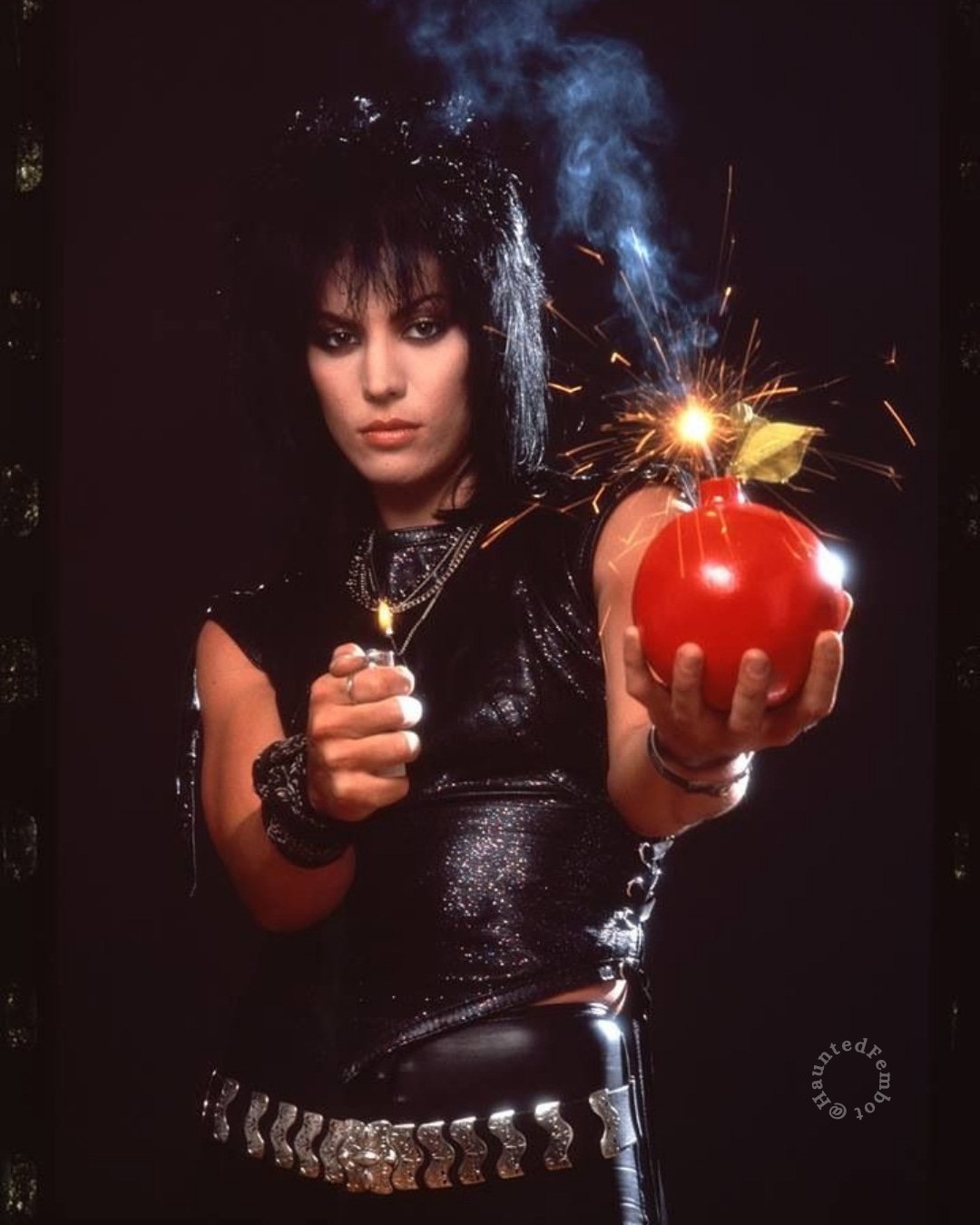
6. Joan Jett – The Woman Who Becomes the Fire
The industry wanted her to sit down and smile. She told them to get lost.
Joan Jett didn’t just fight for a place in rock—she fought to make sure no one else had to. Rejected by record labels, dismissed by industry gatekeepers, and told a woman couldn’t sell rock and roll, she built her own empire instead. Armed with a leather jacket and three power chords, she set fire to the rulebook and rewrote it in black eyeliner.
Other Women Who Became the Fire: Tina Turner, Patti Smith, Madonna, Doechii
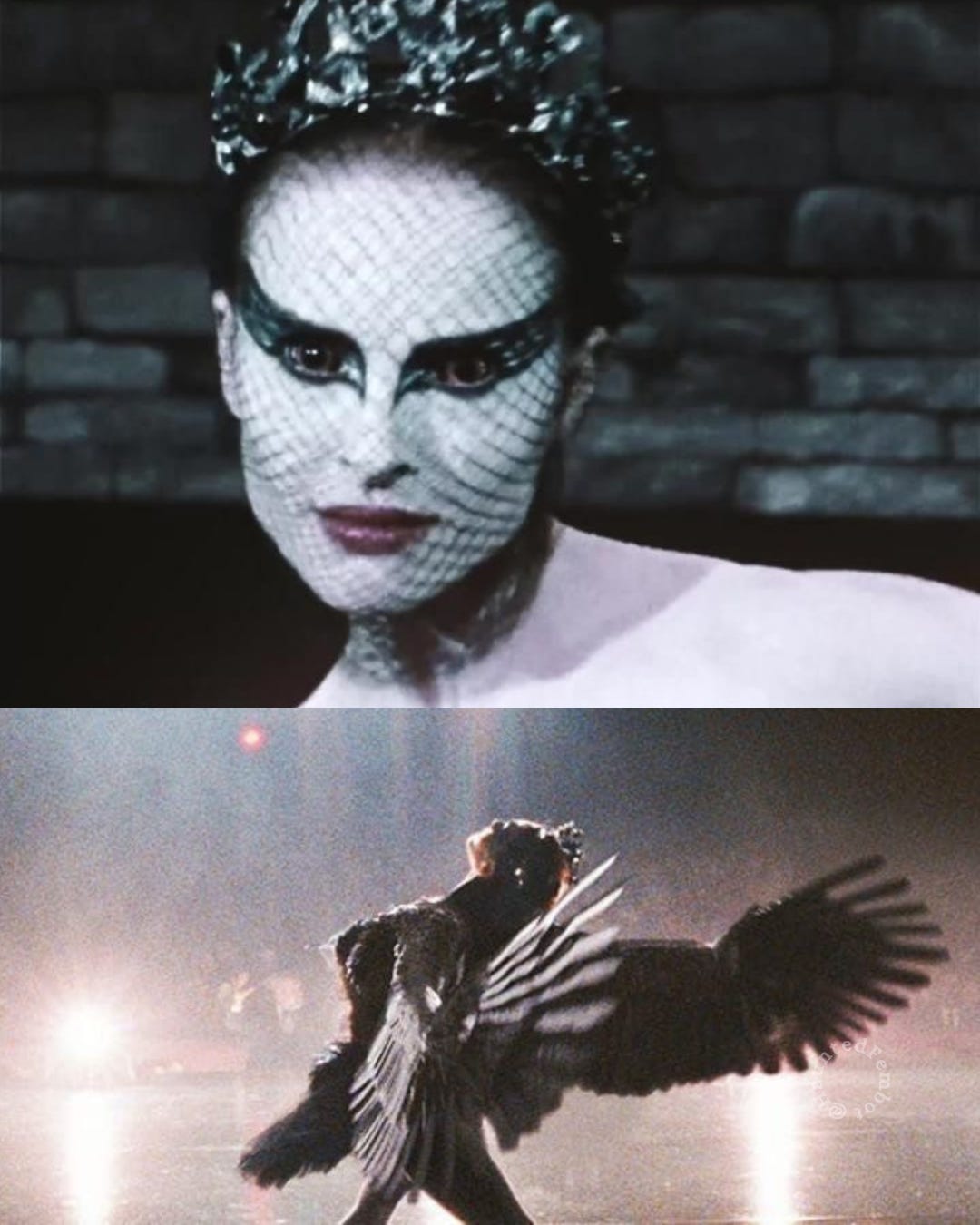
7. Nina Sayers – The Tragic Rebirth
She wanted perfection. She got a psychotic break.
Some rebirths are the stuff of Shakespearean tragedy–Nina unravels theatrically, spiraling into her ultimate form in a haze of blood, hallucinations, and Tchaikovsky. A reminder that sometimes reinvention costs you everything, but at least you go out in full plumage.
Other Tragic Rebirths: Carrie White (Carrie), Ophelia (Hamlet), Laura Palmer (Twin Peaks)
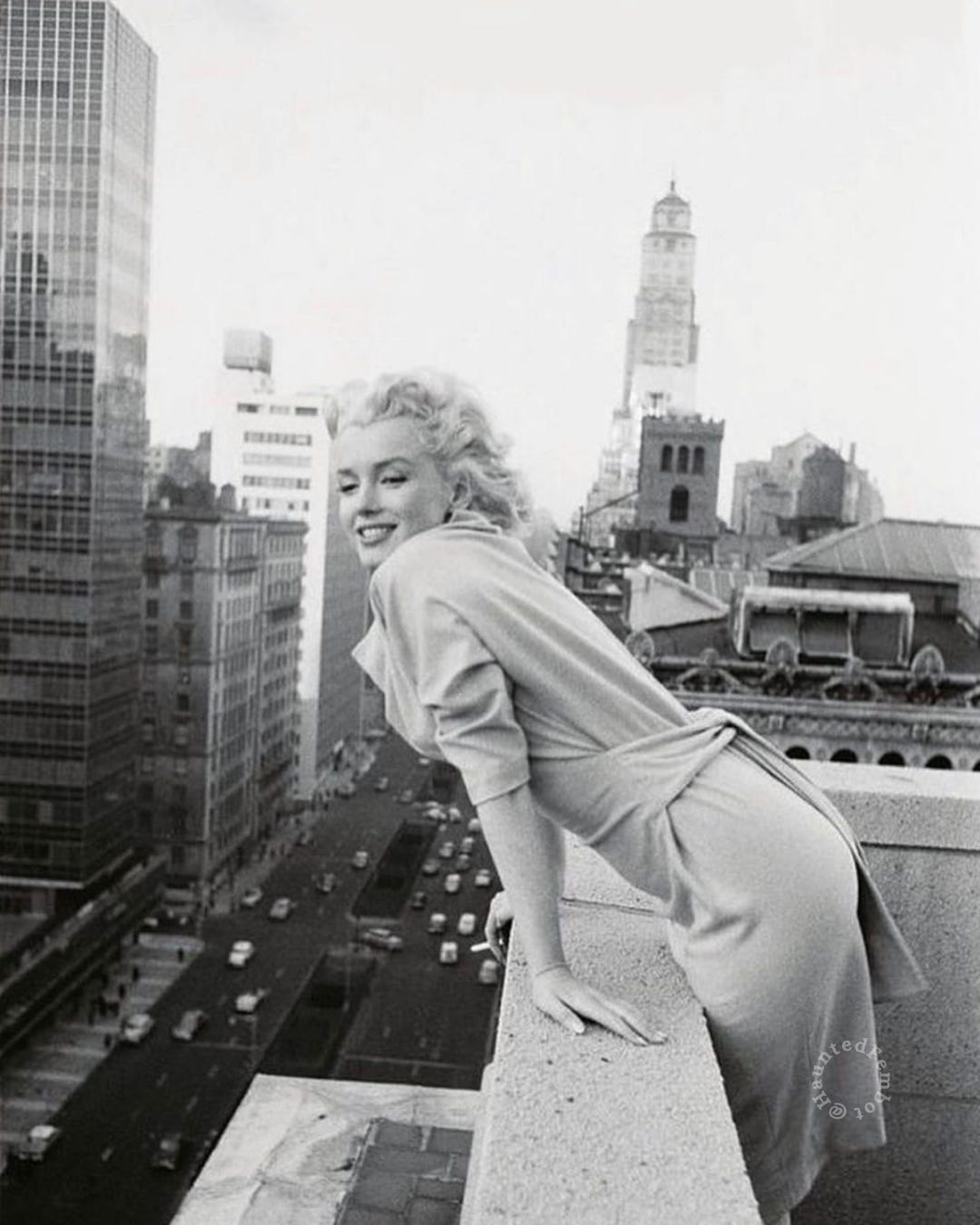
8. Marilyn Monroe – The Woman Who Erases Herself
The persona is the power.
Norma Jeane died the moment Marilyn Monroe was born. This is the rebirth arc of reinventing yourself so completely that the original version of you ceases to exist. Sometimes, survival means becoming the myth.
Other Women Who Erased Themselves: Dita Von Teese, Marlene Dietrich, Theda Bara
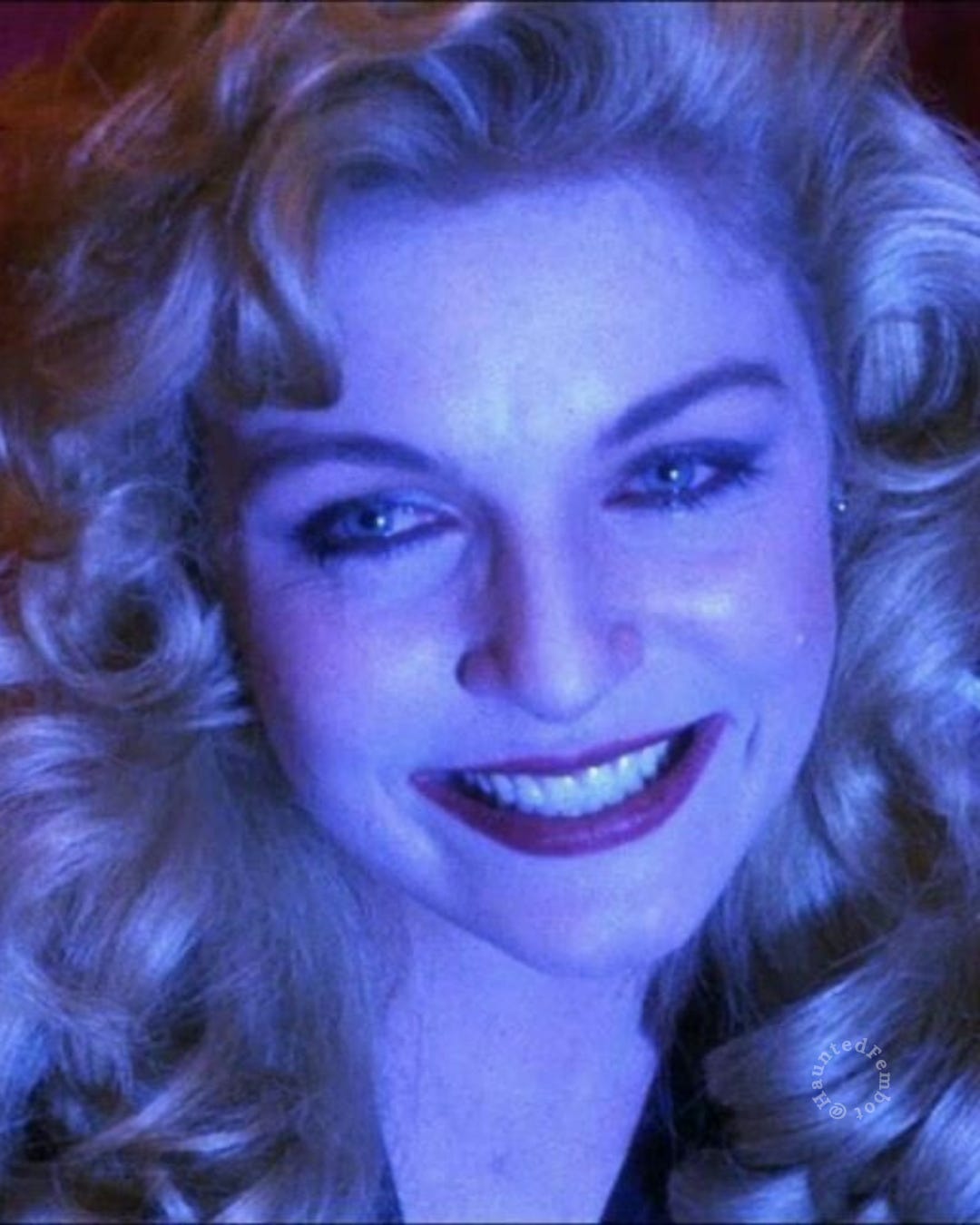
9. Laura Palmer – The Existential Transformation
Dead, but not gone.
Laura Palmer is less of a girl, more of an omen. Her rebirth isn’t physical—it’s mythological, woven into the fabric of the town that failed her. She’s proof that sometimes, you don’t have to be here to haunt everyone who wronged you.
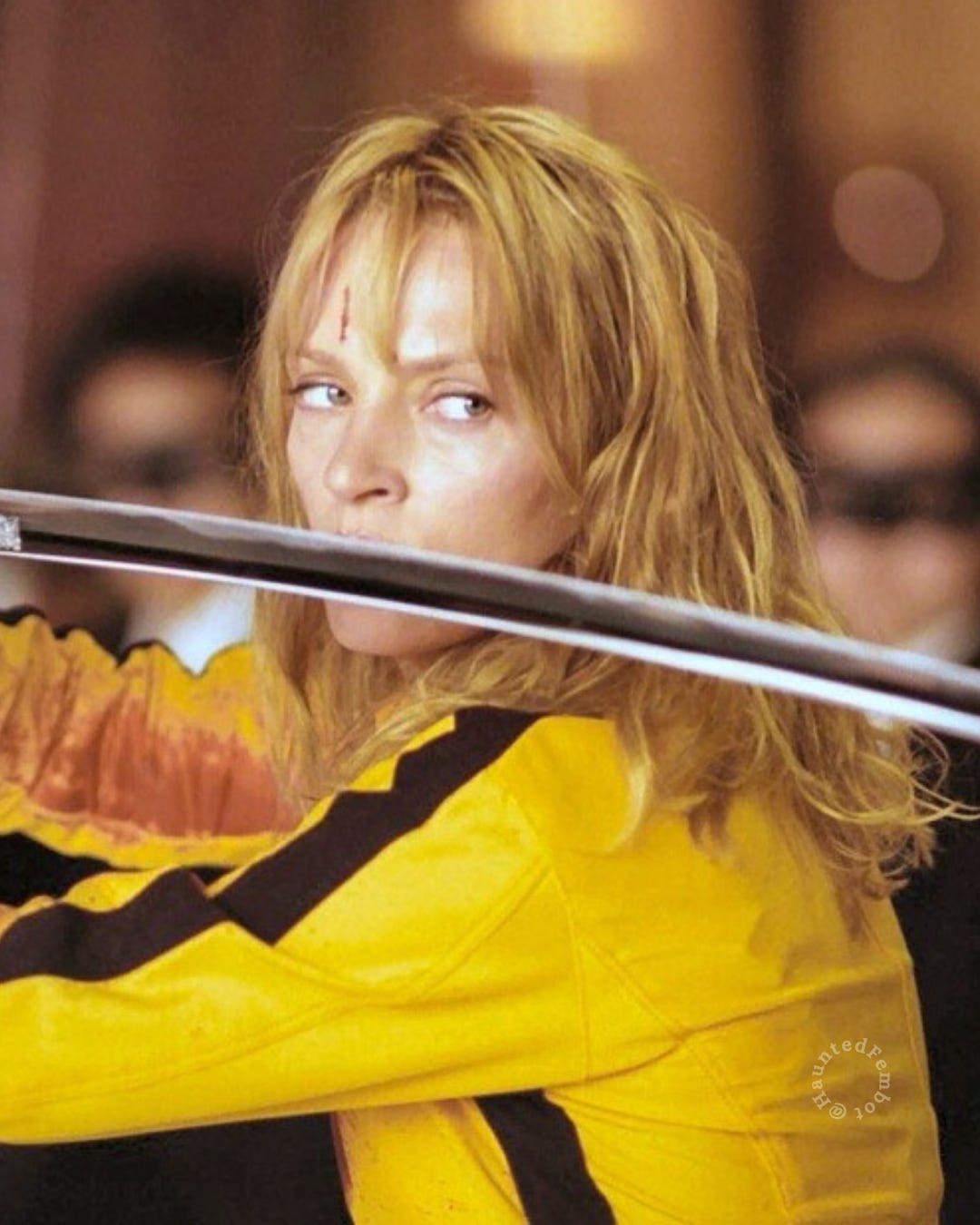
The Bride wakes up from a coma and immediately starts crossing names off her hit list. No hesitation. No deep reflection. Just pure, unfiltered vengeance energy.
Other Rage-Powered Reinventions: Furiosa (Mad Max: Fury Road), Medea (Greek Mythology), Jennifer Check (Jennifer’s Body)
Which One Are You This Spring?
Not all transformations are gentle. Some women bloom, some burn, some haunt the narrative forever.
Are you reinventing, resurrecting, or just refusing to die quietly? Drop your transformation arc in the comments.
🔮 Subscribe for content about cult classics, cinematic icons, and the art of reinvention. 💀 Share this with someone plotting their next evolution.










 Haunted Fembot's Film Club